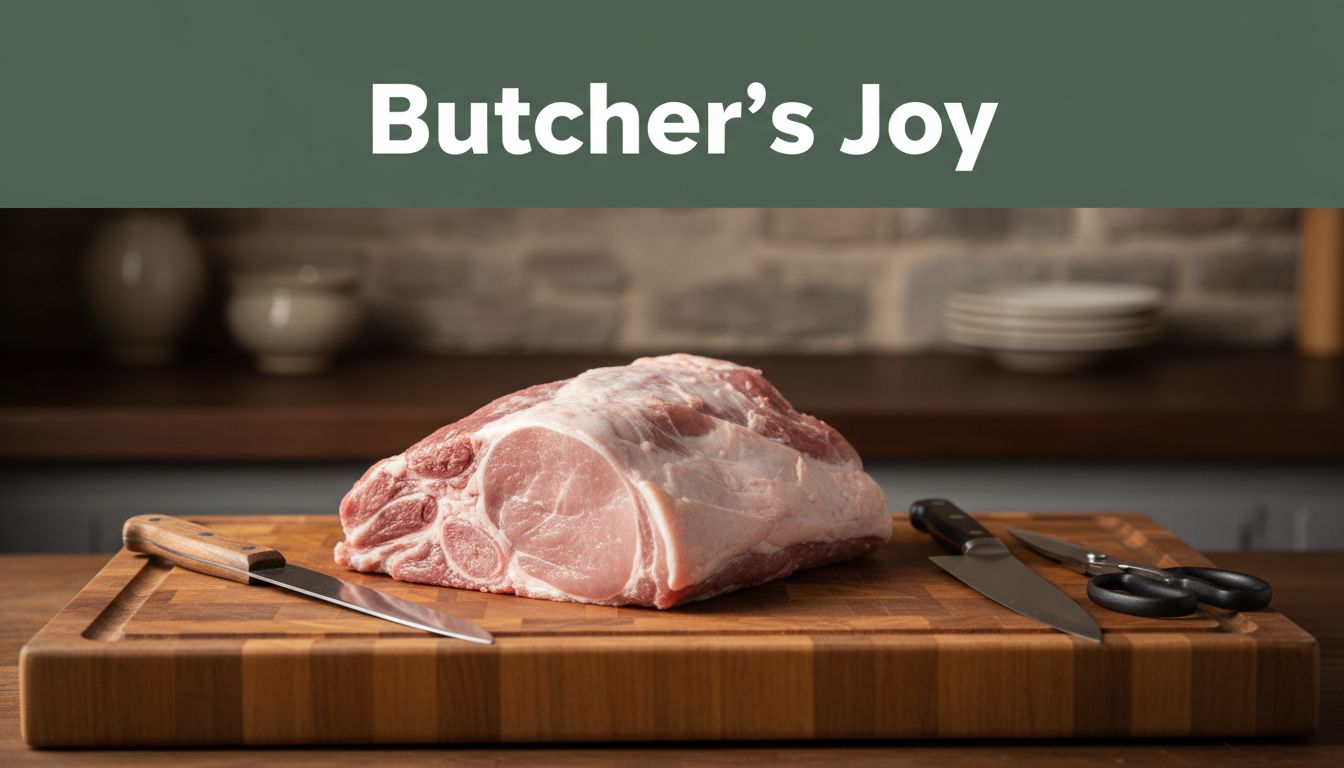
You spot a whole pork shoulder on sale for $1.99 a pound. It weighs eight pounds. That’s sixteen bucks for meat that could make two roasts and six steaks worth twice the price at the butcher.
Breaking it down saves money. You get fresher cuts in custom sizes. Plus, it’s a fun skill that boosts your kitchen confidence. This guide covers tools, parts, steps, and tips. One shoulder yields two three-pound roasts, six one-inch steaks, and trimmings for stock. Practice makes it simple. Let’s dive in and turn that hunk of meat into dinner winners.
Gear Up with the Right Tools for Easy Butchering
Start with sharp knives. A 6-inch boning knife slices close to bones without wasting meat. Its thin blade flexes for tight spots. Next, grab an 8-inch chef’s knife for big cuts through fat and skin.
Pick a heavy plastic cutting board. It stays put and won’t dull your blades. Use a large bowl for bones and scraps. Stock up on paper towels to wipe hands and counters. Kitchen shears trim skin fast.
Food gloves help if you hate sticky fingers, but they’re optional. Sharpen knives first. A dull blade slips and causes cuts. Hone them with a steel rod or whetstone. You can find a full set under fifty bucks at any big box store.
Clear your counter. Good lighting helps you see seams. Chill the meat thirty minutes first. Firm meat cuts cleaner. Newbies, don’t worry. These tools make butchering safe and straightforward. You’ll feel like a pro soon.
Map the Pork Shoulder: Know Its Parts Before You Cut
Pork shoulder comes from the pig’s front leg. Bone-in, it weighs six to ten pounds. It splits into two main parts. The upper Boston butt has a fat cap. It’s perfect for roasts. The lower picnic section proves bonier. It shines in steaks or slow cooks.
Feel the central blade bone in the butt. A smaller arm bone sits in the picnic. Silver skin covers some muscles. An outer fat layer protects everything. Run your fingers over it. Seams feel like natural lines between muscles.
Think of the shoulder as a lumpy triangle. Spotting parts cuts waste. You separate muscles easily. This knowledge turns a big roast into portions that fit your meals.
Find the Bones and Fat Layers Quickly
Poke gently to outline bones. The thick shoulder blade bone anchors the butt. A rounder bone hides in the picnic. Make small cuts to peek inside.
Trim fat to a quarter inch. It adds flavor during cooking. Leave too much, and your roasts turn greasy. Cut skin off the picnic side first. Shears make quick work of it. Now you see the layers clearly.
Trace the Natural Muscle Seams
Three muscles fill the butt: the outer blade, eye of meat, and chuck. The picnic holds the shoulder muscle. Seams appear as white lines. They pull apart like Velcro.
Practice on cheap cuts if you’re nervous. Slide your knife along the line. Muscles separate without much force. This step saves time later.
Follow These Steps to Break Down the Shoulder Bone-Free
Pat the eight-pound shoulder dry. Chill it thirty minutes for firmness. Work on a stable board.
- Trim excess fat and skin. Use shears for skin. Leave a quarter-inch fat cap on the butt.
- Score around bones deeply. Cut one inch into the meat to expose edges.
- Slice under the bone. Twist it free carefully. Keep your fingers clear.
- Follow seams to separate four muscle groups. Trim silver skin as you go.
- Collect trimmings for stock. Rinse bones.
Grip firm but let the sharp knife do the work. First time takes twenty to thirty minutes. Wash hands often. Rushing leads to sloppy cuts. Dull knives tear meat. Stay patient, and you’ll get clean primals.
Remove the Bone Without Mangling the Meat
Start at the joint end. Scrape meat off with the boning knife tip. Use fingers to free edges. The blade bone lifts out first.
If stuck, tap lightly with a mallet. Save bones for broth. They simmer into rich stock. Avoid hacking. Smooth pulls keep meat intact.
Separate Muscles Along the Seams
Divide butt from picnic first. Follow the fat seam between them. Next, split the butt’s three muscles. Eye muscle comes free easily.
Trim silver skin now. It pulls off in sheets. Picnic muscle follows the same path. You end with four neat cuts ready for slicing.
Slice into Roasts and Steaks That Cook Perfectly
From the butt, cut two three-pound roasts. Picnic yields one two-pound roast and scraps. Blade end makes six one-inch steaks.
Tie roasts with butcher’s twine. Loop every two inches and cinch tight. Even shapes cook uniform. Steaks slice cross-grain at one inch thick. Weigh pieces for consistency if you like.
Shoulder steaks marbled like ribeye. They’re cheaper but full of flavor. Custom sizes fit your grill or oven perfectly.
Tie Up Juicy Pork Shoulder Roasts
Place roast fat-side up. Loop twine around one end. Pull across and under. Repeat every two inches.
Knots stay secure during cooking. Three-pound roasts suit smokers or ovens. Wrap extras tight for storage.
Cut Tender Pork Shoulder Steaks for Grilling
Choose picnic or butt edges for steaks. Slice perpendicular to muscle fibers. One-inch thickness grills best.
Season heavy with salt and pepper. Grill at medium heat to 145 degrees inside. They crisp up fast.
Store Safely and Cook Your Cuts Like a Pro
Sanitize everything after cutting. Pork needs 145 degrees internal to eat safe. Fridge raw cuts three days vacuum-sealed. Freeze up to six months. Label with dates.
Oven roasts go in at 325 degrees for two hours. Rest ten minutes. Grilled steaks take four to five minutes per side. Trimmings make pulled pork in a slow cooker on low eight hours.
Rub roasts with garlic and herbs. Slather steaks in BBQ sauce. Applesauce pairs well too. Experiment with flavors. Your cuts shine in any recipe.
Breaking down pork shoulder proves simple with the right tools and steps. You save cash and gain skills. Anatomy clicks fast. Results taste amazing.
Grab a shoulder this weekend. Try these cuts and share your photos in the comments. Subscribe for more meat guides. You’ve got this. Happy cutting.